
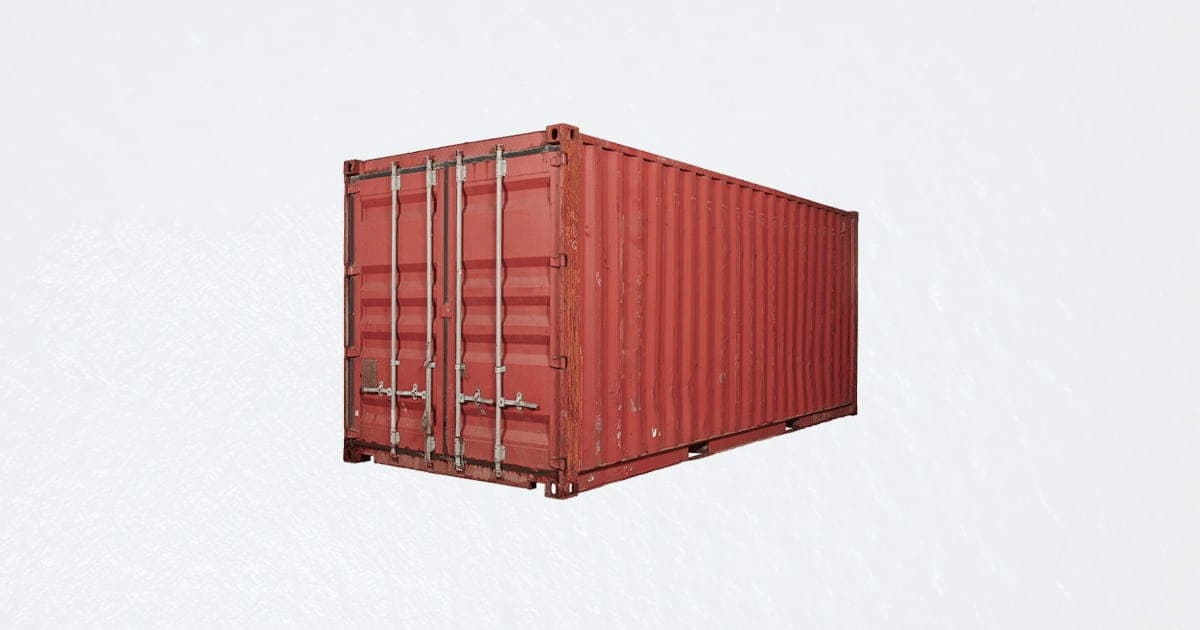
When you buy a used shipping container you will hear plenty of abbreviations: WWT, CW, IICL, CSC, ACEP. It looks confusing at first, but it is actually quite simple. People also ask about "grades A, B and C" - why one used container differs from another. This article explains each term and which condition to choose.
The main abbreviations
- IICL (Institute of International Container Lessors) - an organisation of the world's largest container leasing companies. IICL sets the repair standards that leased containers are repaired to. It is the strictest criterion for used containers - an IICL unit shows minimal wear.
- CW (cargo worthy) - the criterion under which a used container is considered fit to carry cargo under TIR, UIC and CSC rules and meets its original specification. A CW container normally has a valid CSC plate, which an independent surveyor can confirm after inspecting it.
- WWT (wind & water tight) - a container that literally keeps out wind and water: it is sealed and no light shows through the doors or roof. WWT containers are mostly used for secure storage. It is safe to ship cargo in one only once a surveyor confirms a valid CSC plate - then the WWT container becomes CW.
- CSC - the International Convention for Safe Containers, adopted in December 1972. It has two aims: a high level of human safety when containers are carried and handled, and easier international transport through uniform safety rules for all modes of transport. It makes the owner responsible for keeping the container safe and having it inspected periodically.
- ACEP (Approved Continuous Examination Programme) - a programme in which owners monitor the condition and maintenance of their containers. While a container is in ACEP, its CSC does not need re-examination. When it is sold and leaves the programme, it must be inspected under CSC, and the approval to ship is time-limited.
- ISO - the International Organization for Standardization in Geneva, which harmonises technical standards worldwide, including those for shipping container construction (ISO 830, 668, 6346, 1161, 1496-1).
What about "grades A, B and C"?
Letter grades (A, B, C and the like) are a company's own internal system, not an international standard. One company may call a nearly new container "grade A", another a merely watertight one. So compare what the grade actually means, not the letter: is the container CW with a valid CSC plate or WWT for storage, and what state are the outside and the floor in?
Comparison
| Condition | CSC plate | For shipping | For storage | Appearance |
|---|---|---|---|---|
| New (one-trip) | Valid | Yes | Yes | Almost new |
| IICL | Usually valid | Yes | Yes | Minimal wear |
| CW | Valid | Yes | Yes | Signs of use |
| WWT | May have expired | Only after a CSC check | Yes | Signs of use, possible rust |
Which condition to choose
- Storing belongings, tools or seasonal goods - WWT: the cheapest option, wind and watertight.
- Shipping cargo - CW with a valid CSC plate.
- When appearance matters too - IICL or new.
- A home, office or café - a new High Cube container.
How we state the condition
Conway sells used containers graded CW or WWT, and the pages of units in stock show the exact condition (for example CW or IICL), photos and location - see Containers in stock. More on used containers under Used shipping containers, and how to check a container and avoid scams in How to avoid shipping container fraud.